


Mambilla Plateau: Africa’s Best-Kept Secret and why it has remained in the dark
If you were to be asked on a Vox bop interview to name Africa’s most breathtaking highlands, your mind will first lean towards Ethiopia’s Simien Mountains, Rwanda’s highlands, Lesotho’s Maloti range, or Morocco’s Atlas peaks. The possibility of mentioning Mambilla Plateau will be really low. Mambilla Plateau—a misty, cool-climate Eden, I’ve once heard someone referred to it as ‘Africa’s Tibet’. And that’s precisely what makes it so extraordinary.
Stretching across Taraba State near the Nigeria-Cameroon border, this very land of beauty boasts of rolling and undulating green hills, cascading waterfalls, and very large tea plantations—largest in Africa and the only highland tea farm in West Africa— that can match up to what the Scottish highlands offers. With elevations reaching 2,400 meters (7,874 ft), it’s unarguably the highest point not only in Nigeria, but in West Africa—yet most Nigerians have never heard of it.
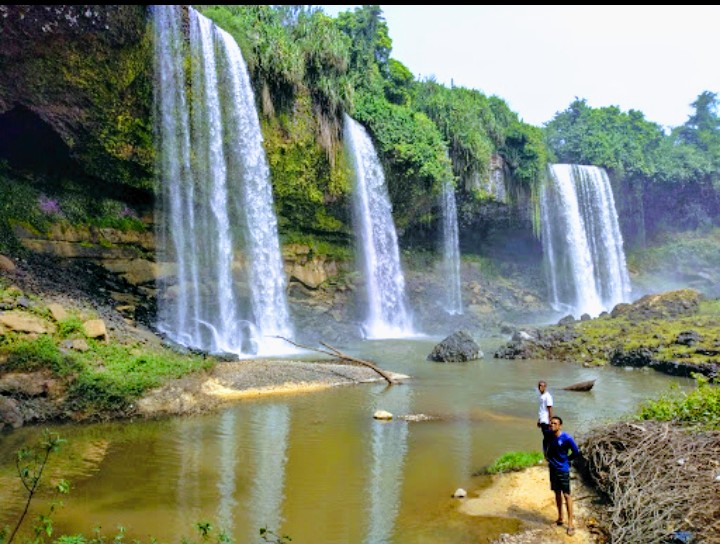

Drive up the bone-rattling, unpaved roads from Jalingo or Wukari (if your suspension survives), and you’ll enter a world untouched by mass tourism. The air in this area is crisp, the valleys are draped in heavy fog, and the major sounds around here are from Fulani herders guiding their cattle across green pastures.
The Mambilla people, along with smaller tribes like the Kamba and Panso, have farmed these slopes for centuries using ancient terraced techniques taking resemblance to Peru's Inca farms. Their vibrant Ncha cultural dance festivals and thatch-roofed stone huts feel like relics of an older Africa—one that hasn’t yet been commodified for Instagram.
The obscurity of Mambilla Plateau has not been mystical, it has been as a result of certain conditions that have been in existence over time. Firstly, the geographical situation of Mambilla Plateau in Northern Nigeria has rubbed off on the place. The stereotype and stigma that generally comes to Northern Nigeria—the media has over the years projected more of the insecurity situations in Nigeria, as against the positive sides of the region. This stigma casted a dark shadow on the Mambilla area, putting fears in the minds of those living outside and within Nigeria, and taking it off the light of tourist and adventure seekers. Despite the fact that Northern Nigeria really did have its own ugly experience of insecurity, ranging from insurgency to violent conflicts, Mambilla has never been in the news at any point for insecurity of any sort. Even though the Mambilla Plateau offers a wide range of great experiences for tourists, Tourists have continued to flock to the infamous Maasai Mara of Kenya, while the Mambilla Plateau in West Africa continues to remain in the dark.


Another reason why Mambilla Plateau has continued to remain in the dark over the years, despite the amazing tourism potential it offers, can be strongly linked to the low media attention and campaign given to the Mambilla Plateau. Unlike Obudu Mountain Resort (Obudu Cattle Ranch), which gets glossy tourism campaigns and great media attention year in and out, Mambilla has continued to remain an afterthought. Barely are there media documents that have really captured the full potential of what Mambilla Plateau offers—in actual sense, the cameras and lenses can not really do justice to the true beauty this place holds. As against gaining full media attention, Mambilla Plateau continues to remain uncovered and hidden years after years.
Thirdly, Mambilla Plateau’s obscurity can be very much credited to the really slow infrastructural development happening in this area. For instance, the Mambilla Hydro-Power plant which was initiated in 1972, is yet to be completed even over 50 years since the contract was signed. Also, the Mambilla Plateau resort which was initiated as a feasibility study for the Hydro-power plant was aimed at developing the area into a full blown tourist destination, like many other government projects in this area, the Mambilla Plateau resort has yet to come into full fruition. The road network that leads tourists to the Mambilla Plateau has been left incomplete years after years, making access to this tourists’ haven a hassle.
In the face of the obscurity Mambilla faces that has kept her in the dark all these years, this has in different ways created magic for the area. Unlike overcrowded Zanzibar or commercialized Victoria Falls, Mambilla Plateau is one really great place to explore without having to deal with the crowds and competition for things compared to other locations—ideal for what a real getaway vacation should be.
In recent times, accessibility to Mambilla Plateau has been on the increase compared to many years back, thanks to the little effort of social media, but this has not been enough for a place that holds this much potential. Finding your way through to Mambilla has to be on an all-terrain vehicle steered by an experienced driver who is skilled and experienced.
Mambilla Plateau is not just a random highland area, this area is unique and special for many reasons. Associated with Mambilla includes:
The largest tea farm in Africa—the Kakara tea plantation covers an area of 615 hectares. It is said to be the only highland tea plantation in the West-Africa region.


The Gashaka-Gumti National Park located in Mambilla is known to be one of the largest National Parks in West Africa. The park is home to a rich array of flora and fauna, containing 103 species of mammals, as per the last census. The park has the largest population in Nigeria of Chimpanzees, as well as many unique species found only within this area, most ideal for ecotourism.
The high elevation of the area contributes positively to the all year round cool climate enjoyed in this area. As against the usual harsh weather and climatic conditions in other parts of Nigeria during the dry season, Mambilla offers tourists the best and suitable weather conditions for those seeking a weather that is not harsh.
The best time to explore the very beauty of Gembu per Gregorian calendar falls within November to March, when the rains are on break to avoid disruption of activities by the rains. Regardless, exploring the Mambilla Plateau during the rainy season comes with its own unique experience like offering a super visual experience that gives tourists that very opportunity to witness the lush greenery colors of the region, it also creates room for spotting diverse wildlife.